
Reviewed · HISTORICAL TOURS
Riga: Jewish History and Heritage Tour
Riga’s Jewish story reaches far beyond its Old Town. I like the chance to enter Peitav Shul, the city’s only synagogue to survive the Nazi period, and I value the personal stories tied to places such as Isaiah Berlin’s former home. The main consideration is pace: this is a serious history tour, and three and a half hours can feel short when traffic slows the car.
With pickup anywhere in Riga, a guide, and a maximum of four participants, the tour offers a focused way to connect Riga’s streets, buildings, and memorials. Guide Armands receives especially warm praise for his pleasant manner and clear explanations, including one repeat booking from a visitor who returned to Riga specifically for another tour with him.
In This Review
- Key points to know before booking
- Why Riga’s Jewish story matters
- Starting in the Old Town at Peitav Shul
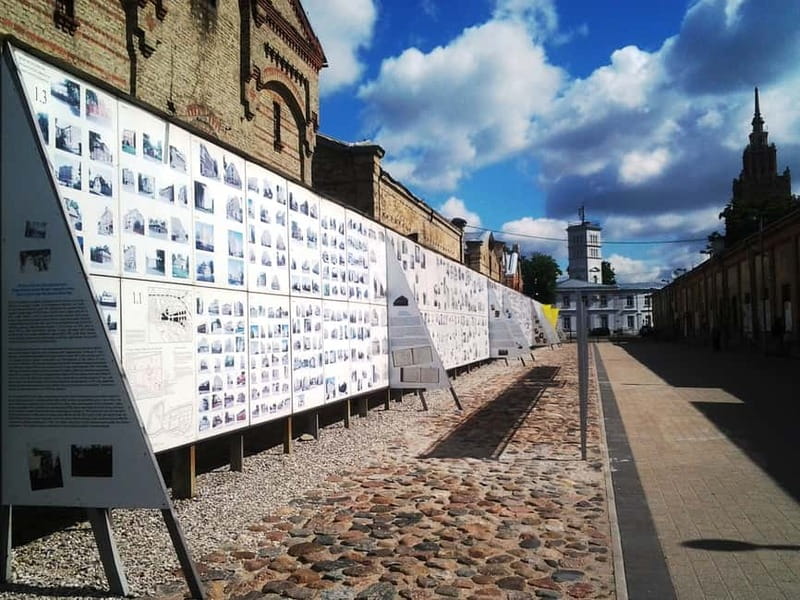
- Walking through Maskavas Forstadt’s wooden streets
- The Great Choral Synagogue memorial
- Rumbula and Biķernieki Forests
- The Riga Ghetto Museum and its 70,000 names
- Mikhail Eisenstein and Jewish Riga’s cultural influence
- How the small group and car change the experience
- Is $82 a fair price?
- Who will get the most from this tour?
- Should you book the Riga Jewish History and Heritage Tour?
- FAQ
- How long does the Riga Jewish History and Heritage Tour last?
- How much does the tour cost?
- Is transportation included?
- How many people can join the tour?
- Which languages are available?
- Can I visit the Riga Synagogue?
- Can I visit the Riga Ghetto Museum?
- Are meals included?
- What should I wear?
Key points to know before booking
- Peitav Shul is Riga’s only synagogue to survive the Nazi period, and you can learn how its Torah scrolls were saved.
- Maskavas Forstadt reveals Riga’s former Jewish quarter, with wooden houses, a former Jewish school, and the Bikur Holim hospital still in use.
- Rumbula and Biķernieki Forests are places of remembrance, marking sites of mass murder and inviting quiet reflection.
- Mikhail Eisenstein’s Art Nouveau buildings add a cultural layer, showing how Jewish architects shaped Riga’s famous streets.
- The group is limited to four people, with pickup anywhere in Riga and transport included.
- The $82 price buys a private-feeling half-day outing, though the value depends on your interest in difficult history and on traffic conditions.
Why Riga’s Jewish story matters
Riga is Latvia’s capital and the largest city in the Baltics. It is often praised for its medieval streets, guild houses, Baroque buildings, and Art Nouveau facades. This tour asks you to look at the city through another lens: the people, institutions, and neighborhoods shaped by Jewish life.
That story reaches across culture, science, philosophy, film, chess, photography, and architecture. Riga was connected with philosophers Yeshayahu Leibovich and Sir Isaiah Berlin, film director Sergej Eizenstein, world chess champion Mikhail Tal, and photographer Philippe Halsman.
I like this broad approach because it keeps the tour from becoming only a sequence of wartime memorials. You see what Jewish life contributed to Riga before the catastrophe, then face what happened during the Nazi years. The result is more honest than a tour that treats Jewish heritage as a single historical chapter.
The tone is likely serious rather than lighthearted. You should come ready to listen, ask questions, and allow some quiet moments. This is not the best choice if you want a quick introduction to Riga’s main sights with only a passing mention of Jewish history.
More history tours in Riga:
- Riga: Canal & Daugava Cruise on a Historic Wooden Boat
★ 4.4 · 496 reviews - Old Riga in Italian: History&Legends
★ 4.8 · 125 reviews - Riga: 2-Hour History of Art Nouveau Walking Tour
★ 4.8 · 118 reviews
Starting in the Old Town at Peitav Shul
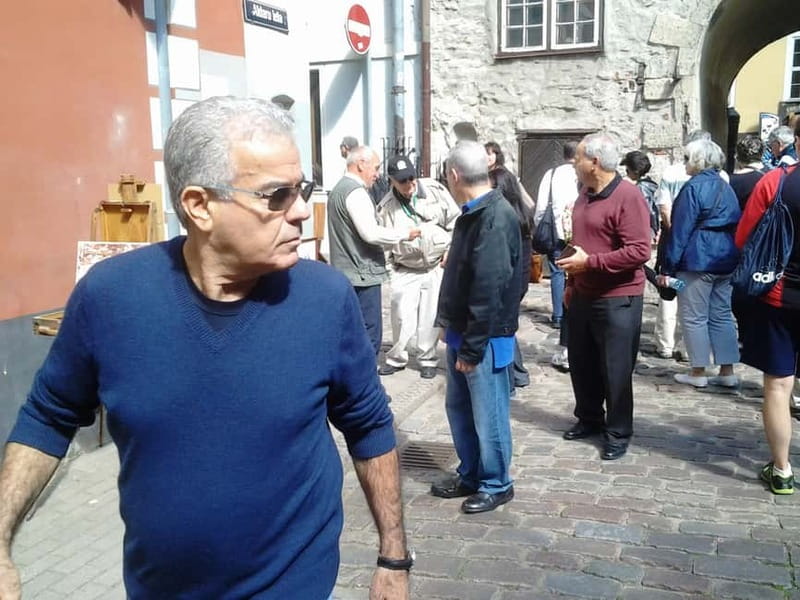
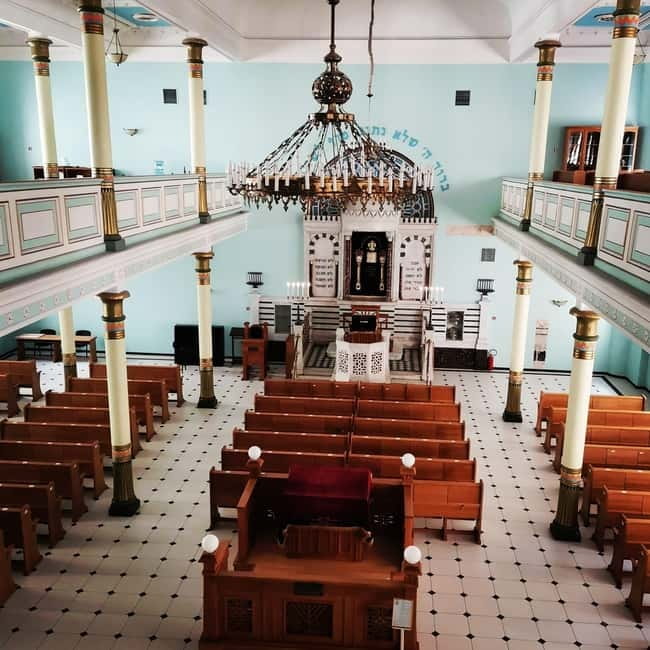
The tour includes an Old Town walk and a visit to the Riga Synagogue, also known as Peitav Shul. It is the only synagogue in Riga to survive the Nazi period and remains in use today.
That fact alone gives the building unusual weight. It is not simply an old religious site preserved for sightseeing. It is a living synagogue, and the visit connects Riga’s past with Jewish life in the present.
A particularly valuable part of the visit is learning how the Torah scrolls were saved. That detail turns a large historical subject into a human story. The building, its religious objects, and the people who protected them help you understand both danger and courage during the Nazi period.
Because the synagogue is an active place of worship, access is not guaranteed every day. It is closed on Shabbat and other Jewish religious holidays. Check the date before booking, especially if entering the synagogue is one of your main reasons for taking the tour.
The Old Town setting also gives you an early lesson in Riga’s architectural range. Medieval houses with Gothic gables, Renaissance guild buildings, and Baroque homes are part of the wider city story. The tour then connects these familiar sights with the people and communities who lived and worked among them.
Walking through Maskavas Forstadt’s wooden streets
The tour continues into Maskavas Forstadt, also called the Maskavas suburb. This was the main area of Jewish settlement in Riga during the 19th century. Importantly, it was not a ghetto before the Nazi years.
That distinction matters. It helps you separate the earlier Jewish neighborhood from the later forced ghetto, rather than allowing the wartime story to erase everything that came before it.
The area is known for its unusual wooden housing. These small wooden buildings give you a more grounded sense of the neighborhood than polished central Riga can provide. Their modest appearance also helps you picture everyday life, including homes, schools, hospitals, and local institutions.
The first Jewish secular school is now operating as a private Jewish school. The historical Jewish hospital, Bikur Holim, is still in use as well. These details show that the neighborhood is not merely a museum district. Its buildings carry older purposes into the present, even as the wider area has changed.
I would pay close attention here to the contrast between the wooden homes and Riga’s grand Art Nouveau center. The contrast is part of the lesson. Jewish life in Riga was not limited to wealthy patrons or famous intellectuals. It also belonged to families, students, patients, shopkeepers, and residents of ordinary streets.
The walking portion may feel less polished than the Old Town, but that is precisely its value. You are seeing a part of Riga where the past is written into modest buildings rather than formal monuments.
The Great Choral Synagogue memorial
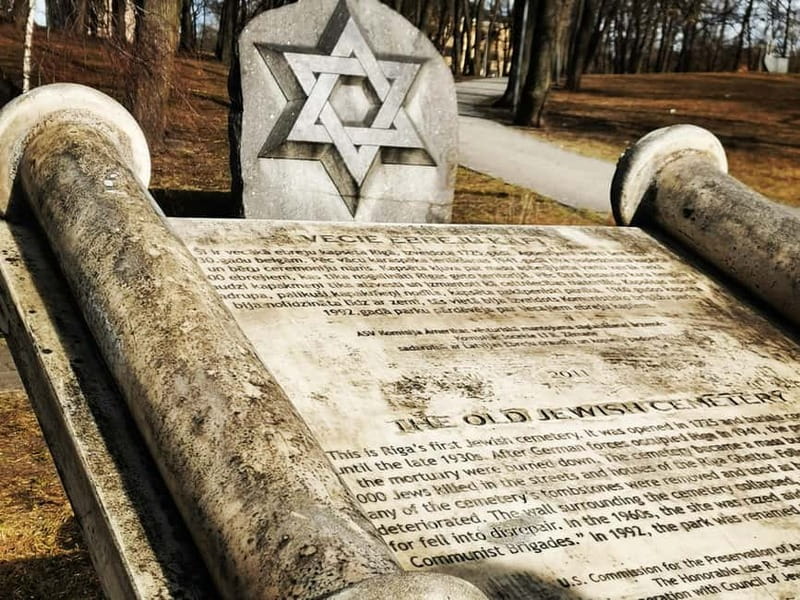
The former Great Choral Synagogue, also known as Die Greise Hor Shul or Gogol Shul, is now a memorial site. It is an important stop because the place records the destruction of Jewish life in Riga rather than showing a surviving building.
The memorial brings attention to Nazi atrocities and to the people who helped save Jewish lives. That second part is worth noting. A tour of this subject should not leave you with only dates and victim counts. Stories of people who offered help provide a fuller, more human account of the period.
You should expect this stop to be emotionally difficult. The tour deals directly with murder, persecution, and the destruction of a community. It is best approached with patience, not as a quick photo stop between other attractions.
The site also works well within the route because it follows the earlier discussion of Jewish neighborhoods and institutions. You first see how a community lived. Then you encounter the place where that life was violently destroyed.
Other Riga days to weigh up
- Riga: Canal Boat Sightseeing Tour With Audio guide
★ 4.5 · 1,827 reviews - Riga: Entrance Ticket – House of the Black Heads
★ 4.6 · 1,096 reviews - Riga: Guided Old Town Walking Tour
★ 4.8 · 1,049 reviews - From Riga: Hill of Crosses and Jelgava Gems Tour
★ 4.8 · 1,040 reviews
Rumbula and Biķernieki Forests
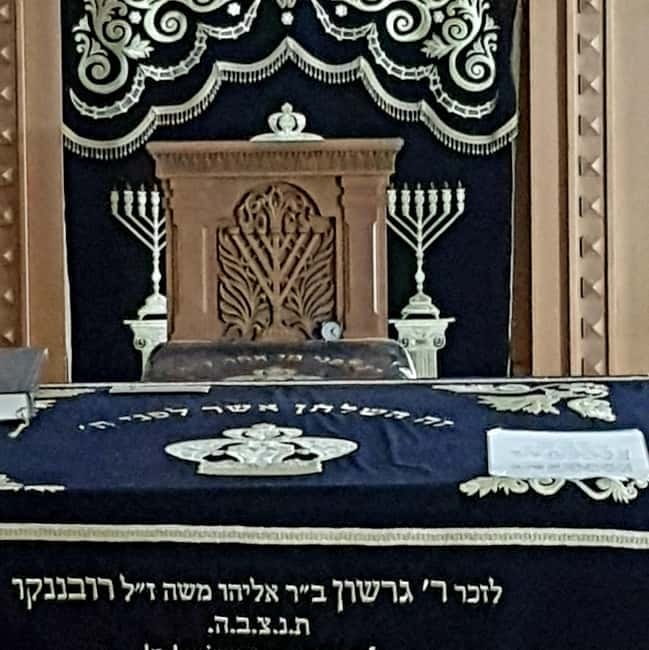
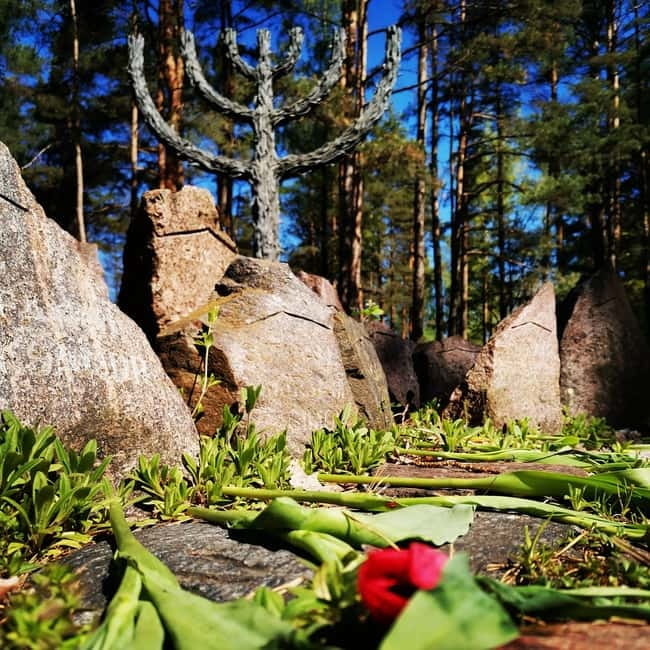
Rumbula and Biķernieki Forests were sites of mass murder and are now memorials and places of contemplation. These stops move the tour away from city streets and into locations where the scale of the killings becomes harder to ignore.
The word contemplation is important here. These are not entertainment stops, and you should not expect a lively sightseeing atmosphere. The meaning comes from the setting, the memorials, and the guide’s explanation of what happened there.
The car is useful for this portion of the experience. The tour lasts three and a half hours, and private transport allows the guide to connect several sites that would be difficult to combine efficiently on foot. Pickup anywhere in Riga also saves you from arranging your own route across different parts of the city.
Traffic can affect the duration. The published time is three and a half hours, but the actual pace depends on road conditions. If you have a train, flight, meal reservation, or another fixed appointment immediately afterward, allow extra time.
The forests may be the most sobering part of the day. I would not plan a demanding activity right after this tour. Give yourself room to think, particularly if you have a personal connection to Jewish history or the Holocaust.
The Riga Ghetto Museum and its 70,000 names
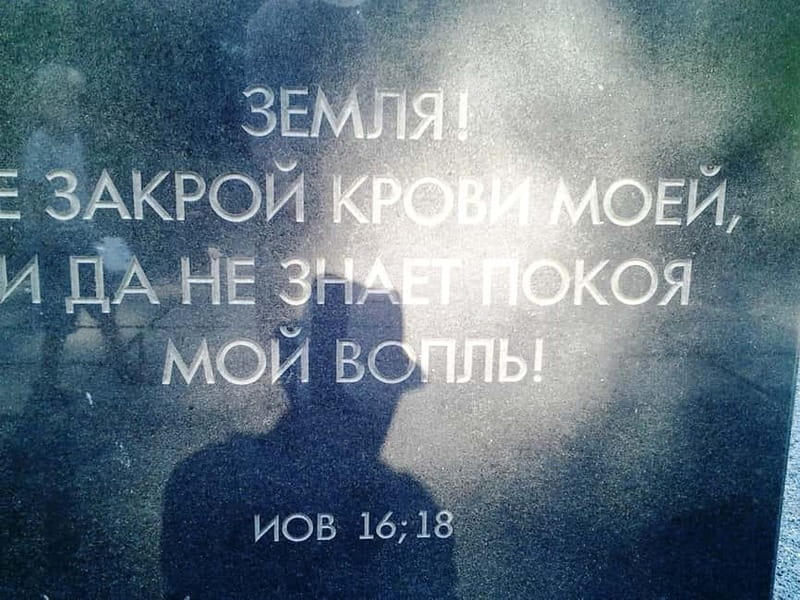
The Riga Ghetto Museum is located on the edge of the former ghetto territory. One of its striking features is that the area experienced no architectural changes, and the small wooden houses where people lived still remain.
That physical continuity gives the museum a particular force. You are not looking only at photographs or reconstructed walls. The surrounding structures help you understand the scale of the former neighborhood and the cramped conditions connected with it.
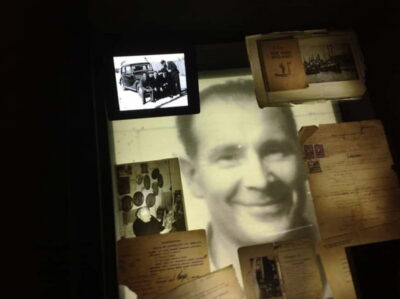
The names of more than 70,000 Holocaust victims are engraved on the museum walls. This is a powerful reminder that the numbers represent individual lives. The names also make the museum a place for remembrance, not only historical instruction.
The museum is closed on Shabbat and other Jewish religious holidays, just like the synagogue. If both sites are important to you, check availability before you commit to a date. The excursion can be designed according to your wishes, but closures will limit what can be visited.
I would consider this museum one of the tour’s most valuable stops for visitors who want more than a general overview. It adds names, buildings, and local geography to the story. At the same time, it may be too heavy for children or for anyone hoping for a relaxed city outing.
Mikhail Eisenstein and Jewish Riga’s cultural influence
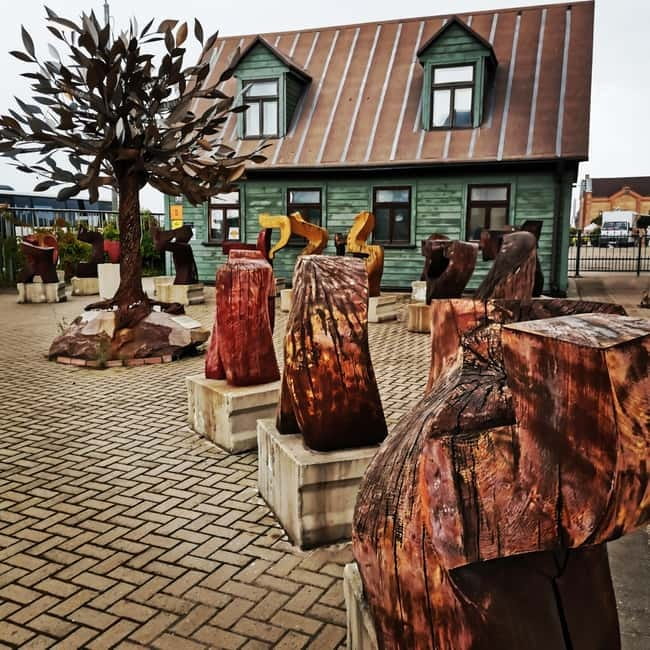
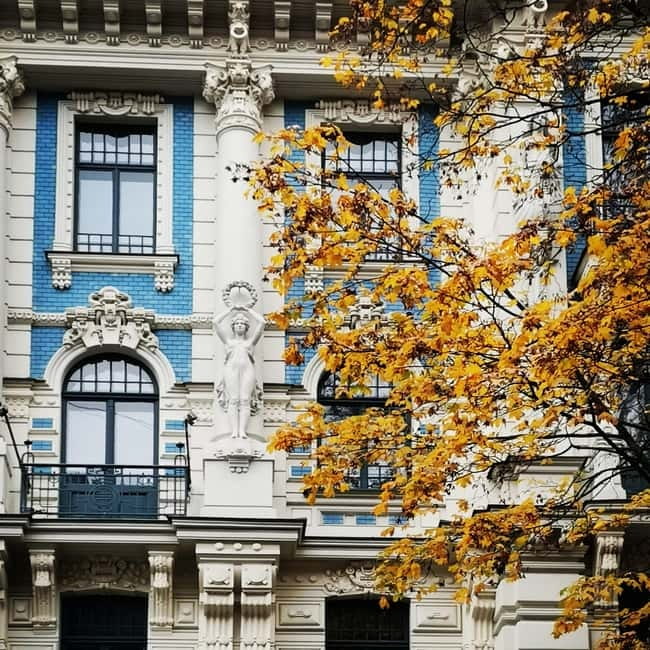
Riga’s Art Nouveau architecture is one of its great pleasures. This tour adds useful context by focusing on Mikhail Eisenstein, a Jewish architect whose buildings helped give the city its distinctive appearance.
The point is not simply to admire decorative facades. You begin to see architecture as evidence of the people who shaped Riga’s public face. The tour places Jewish cultural history alongside the city’s most famous buildings, rather than separating heritage from architecture.
Eisenstein’s work is also a welcome change of mood after the memorials. The tour does not avoid tragedy, but it remembers creativity and achievement too. That balance is one of the experience’s strengths.
The route also includes the house where Sir Isaiah Berlin lived. Berlin was a major 20th-century philosopher, and seeing the address gives you a physical connection to a figure who might otherwise remain only a name in a book.
Other Riga-born or Riga-connected figures include Yeshayahu Leibovich, Sergej Eizenstein, Mikhail Tal, and Philippe Halsman. These names show how wide the city’s Jewish cultural influence was. The experience is therefore not limited to religious buildings or Holocaust memorials. It also covers ideas, art, film, sport, and photography.
How the small group and car change the experience
The group is limited to four participants, which is a major advantage for a subject that depends on explanation. You can ask about a building, a family story, or a historical term without trying to speak over a large crowd.
Pickup is included from any place in Riga, and the guide comes with a car. That makes the outing easier to plan, especially because the route includes central Riga, Maskavas Forstadt, the museum, and memorial sites outside the central walking area.
There is also a practical tradeoff. A car does not remove traffic, and the schedule depends on road conditions. The vehicle is a tool for covering ground, not a guarantee of a perfectly fixed timetable.
The tour is offered in English and Russian. Guide Armands is praised for being pleasant and clear, and his ability to explain both Latvia generally and Jewish history specifically seems to be a major strength. One visitor returned for a second tour with him, which suggests that his personal approach is an important part of the experience.
Is $82 a fair price?
At $82 per person, the tour is not the cheapest way to see Riga. Meals are not included, but the guide, car, and pickup are included. With only four participants, you are paying for a small-group experience that covers several locations in a limited amount of time.
I think the price is fair if you value personal explanation and efficient transport. Visiting the synagogue, former Jewish quarter, museum, synagogue memorial, Art Nouveau sites, Isaiah Berlin’s home, Rumbula, and Biķernieki independently would require research, route planning, and transport. The guide provides the connecting story, which is the main product here.
The value is weaker if you want only a broad city tour. Much of the time is devoted to Jewish history, Nazi persecution, and memorial sites. You should choose this because that subject matters to you, not because you want a general sightseeing ride.
Free cancellation up to 24 hours before the start and the option to reserve now and pay later make planning less risky. Those policies are useful if your Riga schedule is still shifting.
Who will get the most from this tour?
I would recommend it most strongly to adults interested in Jewish heritage, Holocaust history, Riga architecture, and the personal stories of notable people. It also suits anyone with limited time who wants a guide to connect places that do not fit neatly into a short central walking tour.
A small group is helpful for families, couples, and solo visitors who prefer conversation over a large scheduled group. English and Russian options make the experience accessible to people who do not speak Latvian.
You should think twice if you want a cheerful introduction to Riga or if memorial visits are likely to feel overwhelming. The subject is painful, and the tour does not soften the facts. The synagogue and museum closures also mean that your route may change depending on the date.
Dress for local weather. Nothing special is required, but outdoor walking and memorial visits make sensible clothing important. Since traffic can affect the timing, avoid placing an appointment too close to the tour’s stated finish.
Should you book the Riga Jewish History and Heritage Tour?
Book it if you want to understand Riga through both its Jewish achievements and its terrible wartime losses. The combination of Peitav Shul, Maskavas Forstadt, Eisenstein architecture, Isaiah Berlin’s former home, the Riga Ghetto Museum, and the Rumbula and Biķernieki memorials gives you a fuller picture than any single stop could provide.
I especially like the balance between living heritage, ordinary neighborhood streets, major cultural figures, and sites of remembrance. The small group, car, and pickup make the route practical, while Armands’ praised personal style adds warmth to a difficult subject.
Skip it if you want a light city tour, a flexible self-guided stroll, or a day without somber history. For the right audience, though, $82 is a reasonable price for a focused, personal, and thoughtfully connected look at Riga’s Jewish past and present.
FAQ
How long does the Riga Jewish History and Heritage Tour last?
The stated duration is three and a half hours. Traffic on Riga’s streets can affect the actual timing.
How much does the tour cost?
The price is $82 per person.
Is transportation included?
Yes. The experience includes a guide with a car and pickup from any place in Riga.
How many people can join the tour?
The group is limited to four participants.
Which languages are available?
The tour is offered in English and Russian.
Can I visit the Riga Synagogue?
The tour includes a visit to Riga Synagogue, also known as Peitav Shul, when it is open. The synagogue is closed on Shabbat and other Jewish religious holidays.
Can I visit the Riga Ghetto Museum?
The Riga Ghetto Museum is included in the experience when it is open. It is closed on Shabbat and other Jewish religious holidays.
Are meals included?
No. Meals are not included in the tour price.
What should I wear?
No special equipment is required. Dress according to the local weather conditions.
New on the site around Riga
- Vilnius Day Trip or Airport Transfer★ 5.0 · 2 reviews
- Wooden Riga on foot -Ķīpsala★ 5.0 · 2 reviews
- Ultimate Art Nouveau Experience in Riga – Private Tour★ 5.0 · 4 reviews
- The Best Of Riga Walking Tour★ 5.0 · 2 reviews
- Tour from Riga to Vilnius: Bauska Castle, Rundale Palace and The Hill of Crosses★ 5.0 · 3 reviews
- Private Transfer to anywhere in Riga Center★ 5.0 · 2 reviews
- Neigbourhoods of Riga: Honest tour through most beautiful and most unusual areas★ 5.0 · 2 reviews
- Taste Riga – Private Tour of Latvian Flavour★ 5.0 · 5 reviews
Historical Tours, compared.
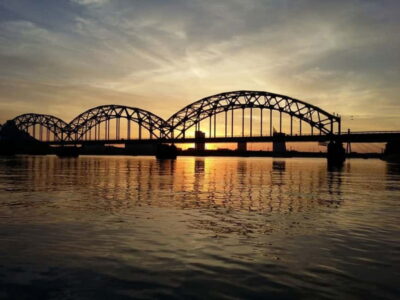
Canal & Daugava Cruise on a Historic Wooden Boat
Read our review →
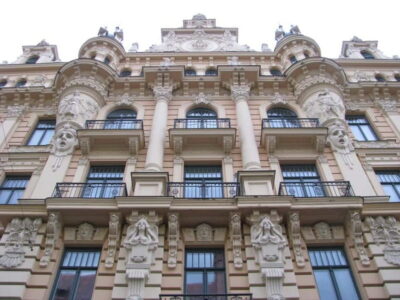
Riga’s Jewish Heritage: A 2 h Walking Tour in a small group
Read our review →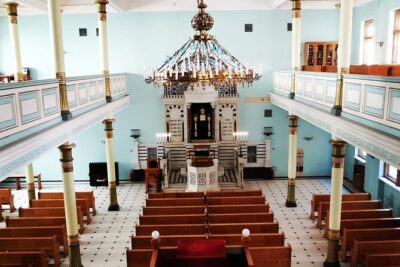
Flavours of Riga: Food, History & Hidden Gems Tour
Read our review →
All Inclusive Honest History Tour – Āraiši, Cēsis, Līgatne, Sigulda
Read our review →Browse the lists this tour appears in