Reviewed · RIGA TOURS
Riga: Entrance Ticket – House of the Black Heads
Riga keeps its grandest welcome in one square. The House of the Black Heads brings together lavish celebration rooms and the much older medieval cellars beneath them, making this more than a quick look at a pretty façade. I especially like the freedom to explore at your own pace, and the chance to pair the visit with coffee, Latvian balsam, sparkling wine, or champagne, depending on the ticket option. The main drawback is simple: a guide is not included, so the upper rooms may feel a little thin on explanation if you prefer a narrated visit.
This is a compact Old Riga attraction, not an all-day museum. You can see the principal rooms in about an hour, though the displays, silverware, weapons, portraits, and cellar exhibits reward a slower visit. At $8 per person, it offers good value, particularly if you enjoy architecture, local history, and historic interiors.
In This Review
- Key points to know before you go
- Arriving at the House of the Black Heads in Old Riga
- The story of the Brotherhood of Black Heads
- The grand halls and the ballroom
- The medieval cellars beneath the decorated rooms
- Silverware, weapons, music, and smaller displays
- Reconstruction, destruction, and the building you see today
- How long you need for the visit
- Is the drink option worth paying for?
- Who will enjoy this Riga attraction most?
- Practical tips for a better visit
- Should you book the House of the Black Heads?
- FAQ
- Where is the House of the Black Heads?
- How much does entry cost?
- Is a guide included?
- What languages are available?
- Is the House of the Black Heads wheelchair accessible?
- Can I cancel my ticket?
Key points to know before you go
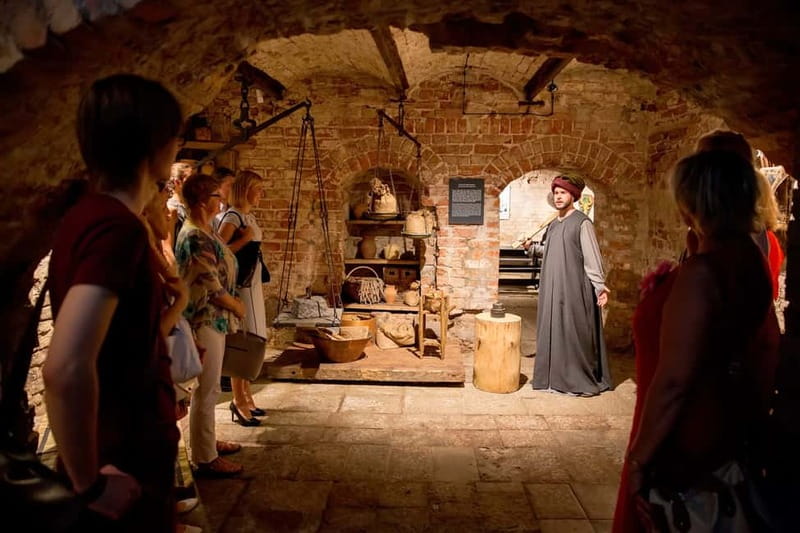
- The medieval cellars are the strongest historical stop: Parts of the basement date to the original medieval construction, giving you a clearer sense of old Riga than the rebuilt rooms above.
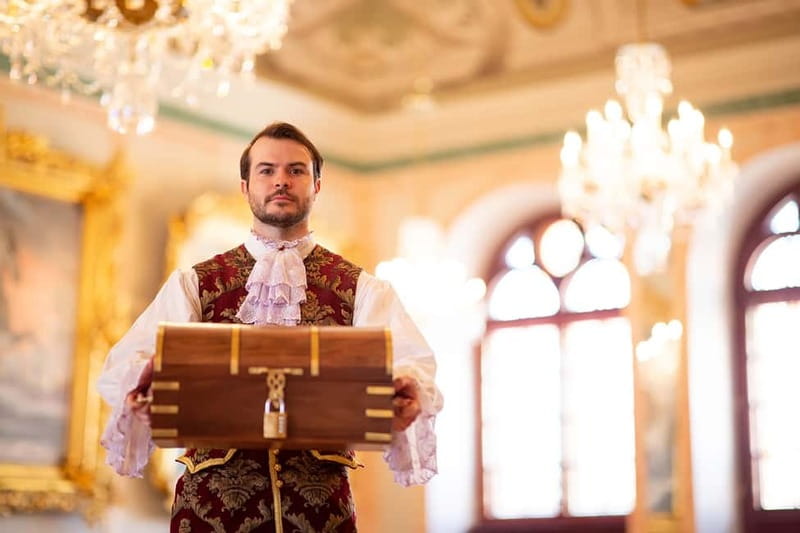
- The grand halls are made for atmosphere: Chandeliers, painted ceilings, royal portraits, ornate furnishings, and a ballroom create the aristocratic mood promised by the building.
- The visit is self-guided: Information boards explain the rooms, while audio equipment may be available depending on the option and supply.
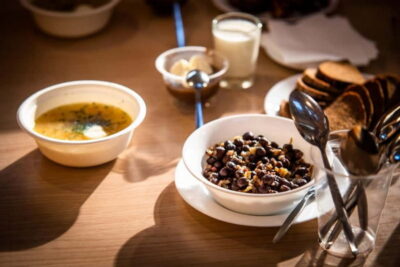
- A drink can improve the experience: Selected tickets include coffee, Latvian balsam, sparkling wine, or champagne, giving you time to sit in the ornate rooms.
- The building is a reconstruction: The House of the Black Heads was destroyed during the Second World War and rebuilt in 1995, an important part of the story.
- It suits a short Riga itinerary: You can fit it into a morning or afternoon walk through Old Riga without giving up half your day.
Arriving at the House of the Black Heads in Old Riga
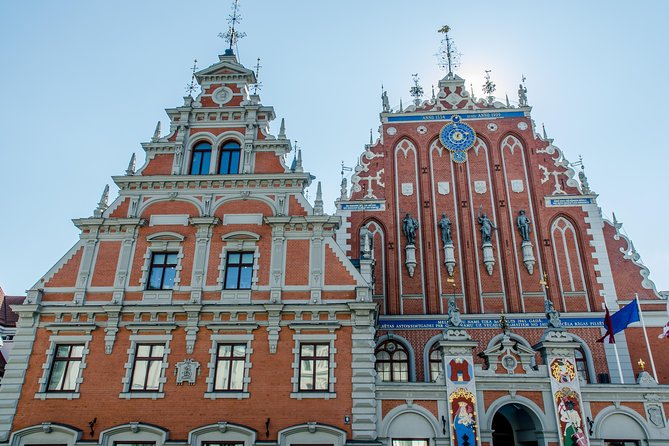
You will find the building in the heart of Riga’s Old Town, where its elaborate exterior makes an immediate impression. Even if you decide not to go inside, pause in the square for a photograph. The ornate front is one of the city’s most recognizable sights, with a level of decoration that can seem almost theatrical.
Inside, the mood changes from busy city square to formal civic palace. The entrance staff are generally polite and helpful, and your mobile ticket can be shown on arrival if you book online. The meeting point can vary by ticket option, so check the details attached to your chosen entry before setting off.
The attraction is wheelchair accessible, which makes it a practical choice for many visitors. It is also designed for a small group of no more than 10 participants when a group format applies, though the standard entry experience lets you move through the rooms independently.
The ticket is listed at $8 per person. That is a modest price for a central Riga sight, especially because the visit includes several different settings rather than just one decorated room. You are paying for the building, its exhibitions, and the chance to understand how Riga’s merchant elite used this place.
Other Riga days to weigh up
- Riga: Canal Boat Sightseeing Tour With Audio guide
★ 4.5 · 1,827 reviews - Riga: Guided Old Town Walking Tour
★ 4.8 · 1,049 reviews - From Riga: Hill of Crosses and Jelgava Gems Tour
★ 4.8 · 1,040 reviews
The story of the Brotherhood of Black Heads
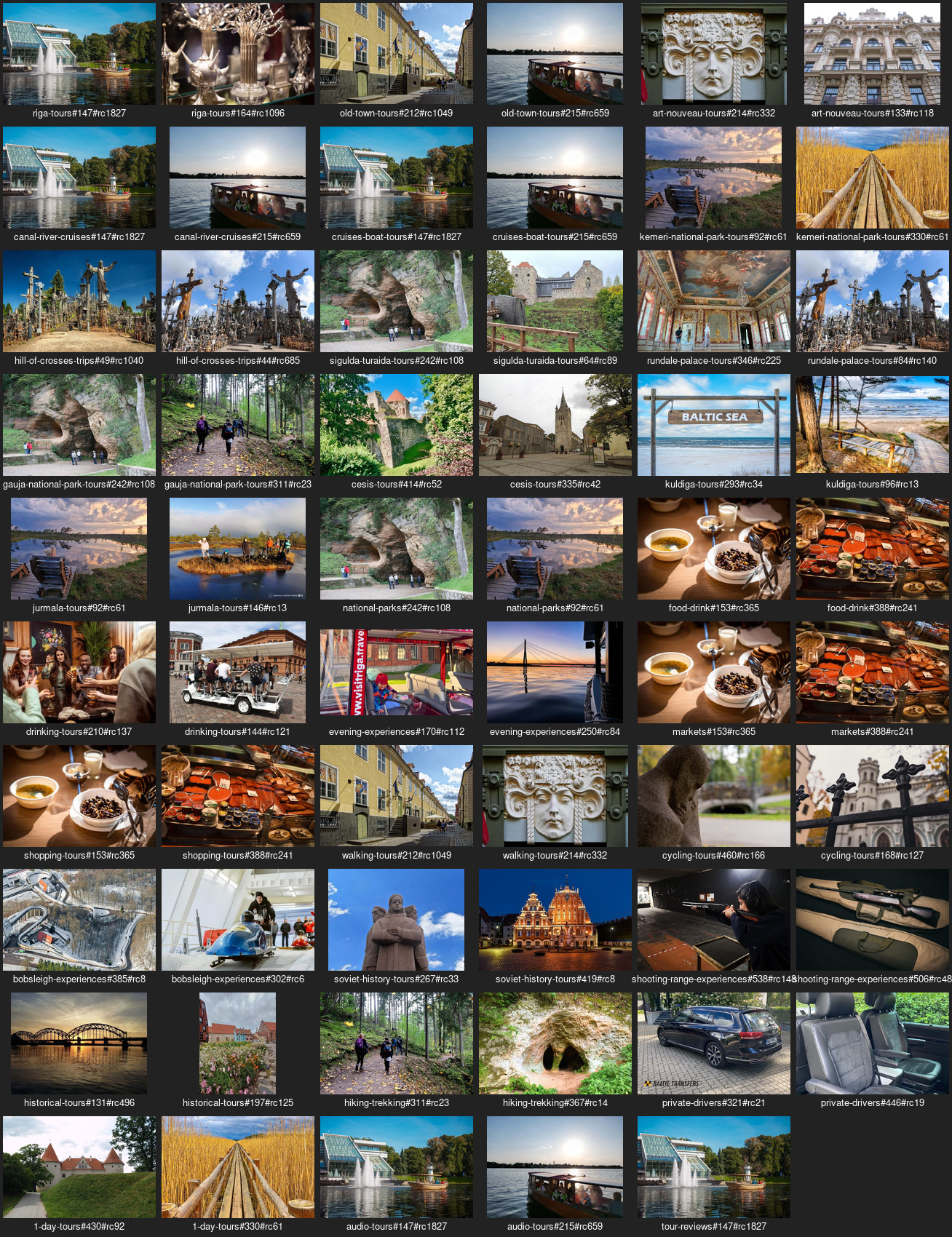
The House of the Black Heads is tied to the Brotherhood of Black Heads, a historic association of unmarried merchants and shipowners. For centuries, the building served as a social and cultural center where Riga’s prominent residents gathered for formal celebrations and public events.
The brotherhood’s story gives the rooms more purpose. The chandeliers and grand furnishings were not placed here simply to look impressive. They reflect a world of merchants, ceremonies, trade, music, diplomacy, and social rank.
The displays connect the organization with Riga’s commercial past. You will find information about the brotherhood, the city’s merchants, and the role the building played in public life. If you enjoy learning how trade shaped a city, allow extra time for the written material rather than rushing straight to the ballroom.
There are also legends surrounding the Black Heads, and the museum presents the group as part of Riga’s long civic story. The attraction does not treat the building as a hollow shell. It explains the people, customs, and public life that gave the rooms their meaning.
The grand halls and the ballroom
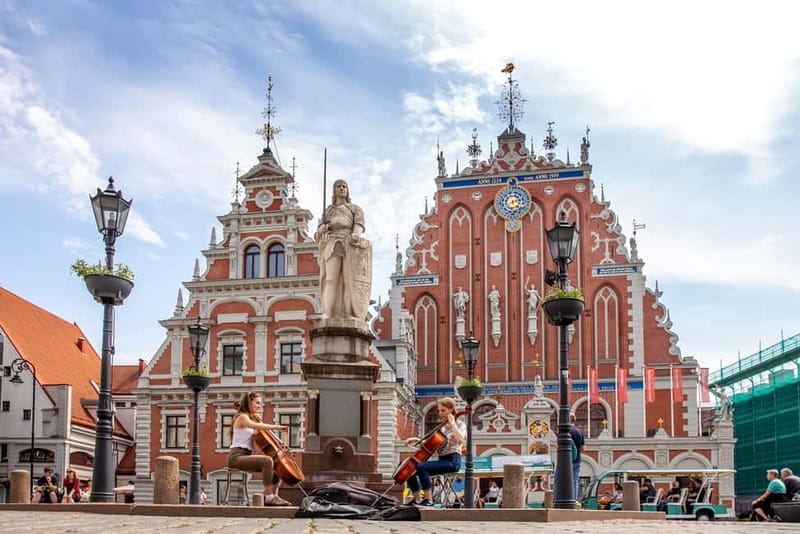
The upper rooms are the visual heart of the visit. You will see elaborate historical interiors with brilliant chandeliers, decorative ceilings, portraits, and formal furnishings. The ballroom is especially effective because it gives you a place to stop rather than simply walk through.
Several seats are placed around the attraction, so you can sit and take in the ceiling, paintings, and proportions of the rooms. That matters here. The building is designed for ceremony, and you understand it better when you pause instead of treating each room as a photograph stop.
The gallery of royal portraits adds to the formal tone. It helps explain why the House of the Black Heads later served an official role in Riga. The President of Latvia used the building as a temporary residence for almost four years, another reminder that this is not merely a preserved merchants’ hall.
If you choose a drink option, the ballroom becomes an even better place to linger. A glass of prosecco or champagne fits the setting, while coffee offers a more relaxed choice. Latvian balsam, sometimes served as a welcome drink, adds a local touch. One option has also included blackcurrant balsam, which gives the visit a distinctly Latvian flavor.
The rooms are beautiful, but you should keep your expectations realistic. This is not a huge palace with dozens of apartments. Some people find the building itself more impressive than the amount of material displayed upstairs. The written explanations are useful, but certain rooms can feel lightly interpreted without a guide.
The medieval cellars beneath the decorated rooms
The cellars provide the sharpest contrast in the whole visit. Upstairs, you have chandeliers, polished surfaces, portraits, and ceremony. Below, the atmosphere becomes older, darker, and more physical.
The basement construction is described as dating to the 1300s, giving you a direct link to Riga’s medieval past. This is where the age of the site becomes easiest to understand. The upper interiors were rebuilt, but the cellars help connect the present building with the medieval city beneath it.
You will find historical information and displays in the cellar area, including material linked to the building’s past. The lower rooms are less polished than the ballroom, but that is precisely their strength. They feel like part of the structure rather than a staged reception space.
If you have limited time, do not skip the basement. The exterior and ballroom may catch your eye first, but the cellar explains why the House of the Black Heads is more than a reconstruction. It gives the visit physical depth and makes the building’s long history easier to picture.
The cellars are also a good reason to visit on a rainy or cold day. They add an enclosed, atmospheric stop to an Old Town walk, though the contrast between the dark lower levels and ornate upper rooms means the attraction can feel like two different museums joined together.
A different sort of day out of Riga altogether:
- From Riga: Hill of Crosses & Jelgava Guided Tour
★ 4.9 · 685 reviews - Riga Package: Canal Boat Tour + Drink & Old Town Audio Guide
★ 4.3 · 659 reviews - Riga: Canal Boat Tour with Welcome Drink & Audio Guide
★ 4.5 · 565 reviews - Riga: Canal & Daugava Cruise on a Historic Wooden Boat
★ 4.4 · 496 reviews
Silverware, weapons, music, and smaller displays
The collection includes an appealing silverware display. It reflects the ceremonial side of the brotherhood, where formal dinners and public celebrations mattered as much as business.
Weapons displayed across different periods provide a change of pace. They help broaden the visit beyond furniture and architecture, especially if you are traveling with someone who may lose interest in portraits and ceiling decoration.
A music room connected with Wagner is another memorable stop. Its acoustics are good, and it offers a quieter place to sit. The room feels more successful when you have time to listen to the space itself, even when no performance is taking place.
The attraction also includes historical rooms and information panels that place the building within Riga’s story. In some areas, the text is detailed and useful. In others, the displays may feel less complete, so an audio guide can help if you want more structure.
Audio equipment is offered in multiple languages when available. English, Latvian, and Lettish are listed among the language options, and the audio guide has been praised for giving clear explanations without turning the visit into an exhausting history lecture. Availability can vary, however, and one visit had no audio units left. The printed signs still made the route understandable.
Reconstruction, destruction, and the building you see today
One fact changes the way you look at the House of the Black Heads: the building was destroyed during the Second World War and rebuilt in 1995. What you see today is therefore not an untouched medieval palace.
That does not make the visit pointless. In fact, the rebuilding is part of the attraction’s central story. The displays trace the building’s destruction, loss, restoration, and return to public life. The result is a place that carries both old Riga’s heritage and the modern city’s effort to recover it.
You should come here knowing that the façade and grand interiors are reconstructed. This is important for anyone seeking original medieval architecture. The cellars provide the stronger physical connection to the earlier structure, while the upper rooms show how Riga chose to recreate a major civic symbol.
I find that distinction useful rather than disappointing. It lets you appreciate the craftsmanship of the reconstruction while keeping the historical record clear. The building is not pretending that every painted ceiling and polished hall survived unchanged.
How long you need for the visit
The advertised validity can range from one day to six months, depending on the booking option. Check the available starting times and validity details before you pay, since the exact arrangement may differ.
Once inside, most people can see the main rooms in roughly an hour. If you read every information panel, listen to the audio guide, inspect the collections, and stop for a drink, allow closer to two hours.
That flexible length is one of the ticket’s best features. You do not need to plan an entire day around it. You can visit before lunch, use it as a break during an Old Town walk, or stop in the afternoon when the weather turns poor.
I would not rush through in 20 minutes. The building’s appeal comes from the contrast between the cellar and ballroom, and that contrast takes a little time to appreciate. Sit down in the grand rooms, look up at the ceiling, then go back downstairs and compare the two spaces.
Is the drink option worth paying for?
If you are choosing between basic entry and a ticket with a drink, the extra cost depends on what you want from the visit. A coffee is a pleasant addition, particularly because you can enjoy it while sitting among the chandeliers and historic decoration.
Champagne or sparkling wine makes the formal rooms feel more connected to their original purpose. The building was used for celebrations, so raising a glass in the ballroom is not just a refreshment break. It gives you a small sense of how the rooms were meant to function.
Latvian balsam offers more local character. It is a stronger, more distinctive choice than coffee, and a welcome serving of blackcurrant balsam has been a memorable touch for some ticket holders.
If you are mainly interested in the cellars and exhibits, basic admission should be enough. If you enjoy atmosphere and want to linger, the drink option is a sensible upgrade.
Who will enjoy this Riga attraction most?
I recommend the House of the Black Heads to anyone who likes historic buildings but wants more than an exterior photograph. It works particularly well for people interested in Riga’s merchant culture, ceremonial spaces, reconstruction projects, and medieval remains.
It is also a good choice for a first visit to Riga because it introduces several parts of the city at once: commerce, public ceremony, architecture, war damage, restoration, and modern civic use.
Families and mixed-interest groups may find the short length useful. The weapons, cellars, audio guide, and interactive displays offer variety, while the grand rooms give architecture fans plenty to admire.
You may want to skip it if your time in Riga is extremely limited and you have already visited several palace interiors. The museum is small, and some upstairs areas contain less information than you might expect. The outside is spectacular, but you need to decide if the extra interior visit fits your plans.
Practical tips for a better visit
Show your ticket on your phone when you arrive, and check which entrance or meeting point applies to your booking option. A guide is not included with the entry ticket, so select a guided or audio option if you prefer more explanation.
Start in the cellar if you want the strongest sense of age, then work upward toward the ballroom and formal rooms. This order makes the contrast between medieval Riga and the reconstructed ceremonial building especially clear.
If you want photographs, allow time in the main square before entering. Once inside, look up at the painted ceilings and chandeliers, then sit down in the ballroom instead of moving on immediately.
For the fullest visit, choose a quieter time if possible. The rooms are more enjoyable when you can stop without blocking the route, and the building’s calm atmosphere is part of its appeal.
Should you book the House of the Black Heads?
Yes, if you have an extra hour in Riga and enjoy architecture, city history, or unusual historic interiors. At $8, it is an affordable addition to an Old Town day, and the cellar, ballroom, silverware, weapons, and music room provide enough variety to justify the ticket.
Choose basic entry if you want a quick cultural stop. Choose the drink option if you like to linger in atmospheric rooms. If you prefer a detailed explanation, look for an option with an audio guide or live guide, since the standard entry does not include one.
The building is rebuilt, not untouched, and the upstairs interpretation is not equally strong in every room. Still, the combination of grand halls and medieval cellars makes this one of Riga’s most worthwhile short visits, especially when you take time to understand the story of destruction and restoration behind the decoration.
FAQ
Where is the House of the Black Heads?
It is located in the heart of Riga’s Old Town in Latvia.
How much does entry cost?
The listed price is $8 per person. Extra options, such as a drink or audio guide, may cost more depending on the ticket selected.
Is a guide included?
No. A guide is not included with the standard entry ticket. Audio guides may be available depending on the option and current supply.
What languages are available?
English, Latvian, and Lettish are listed among the available language options.
Is the House of the Black Heads wheelchair accessible?
Yes, the attraction is listed as wheelchair accessible.
Can I cancel my ticket?
You can cancel up to 24 hours before the activity for a full refund. The reserve now and pay later option allows you to keep your plans flexible.
New on the site around Riga
- Vilnius Day Trip or Airport Transfer★ 5.0 · 2 reviews
- Wooden Riga on foot -Ķīpsala★ 5.0 · 2 reviews
- Ultimate Art Nouveau Experience in Riga – Private Tour★ 5.0 · 4 reviews
- Private Transfer to anywhere in Riga Center★ 5.0 · 2 reviews
- The Best Of Riga Walking Tour★ 5.0 · 2 reviews
- Tour from Riga to Vilnius: Bauska Castle, Rundale Palace and The Hill of Crosses★ 5.0 · 3 reviews
- Neigbourhoods of Riga: Honest tour through most beautiful and most unusual areas★ 5.0 · 2 reviews
- Taste Riga – Private Tour of Latvian Flavour★ 5.0 · 5 reviews
Riga Tours, compared.
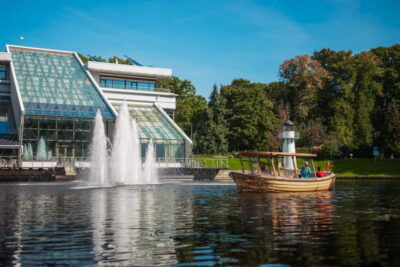
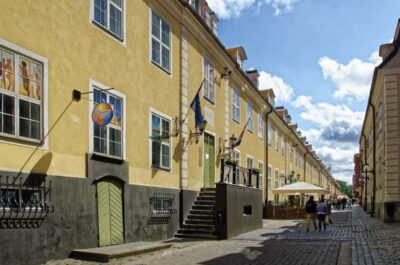



Riga Package: Canal Boat Tour + Drink & Old Town Audio Guide
Read our review →
Canal Boat Tour with Welcome Drink & Audio Guide
Read our review →
Canal & Daugava Cruise on a Historic Wooden Boat
Read our review →