
Reviewed · PRIVATE DRIVERS
Riga to Vilnius – Sightseeing transfer
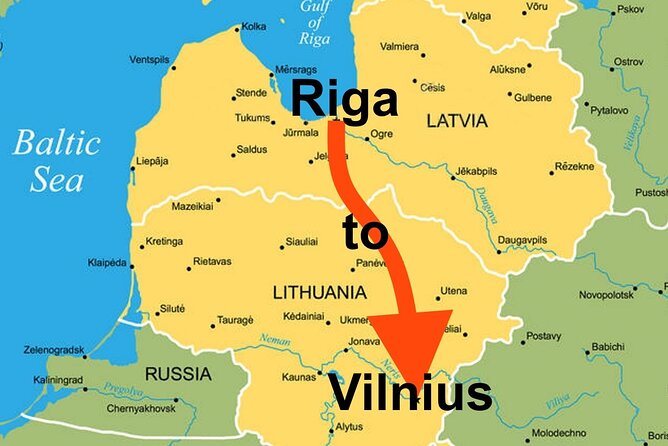
A long transfer can become a Baltic highlight. This private Riga to Vilnius trip turns a necessary drive into a useful day out, with Rundale Palace and Bauska Castle included along the way. I like the door-to-door pickup, the spacious air-conditioned vehicle, and the chance to ask your driver for lunch advice or an extra stop. The main drawback is that museum tickets are not included, and the total seven to eight hours can feel long if you prefer a direct city transfer.
I also like the freedom to adjust the route in advance. Drivers such as Karlis, Artis, and Aldis Rumba have been praised for safe driving, good timing, and useful commentary about the Baltic countries. Just confirm your pickup details carefully, since the published meeting information lists Vilnius as the start point even though the trip description says pickup is in Riga.
In This Review
- Key points to know before booking
- Why this transfer makes sense between Riga and Vilnius
- The Riga pickup and private vehicle
- Rundale Palace and Rastrelli’s grand design
- Bauska Castle, two fortresses in one stop
- Lunch, detours, and the Hill of Crosses
- Drivers who shape the experience
- The price, group size, and overall value
- Who should book this Riga to Vilnius route
- Should you book it?
- FAQ
- Where does the sightseeing transfer begin?
- What time does the tour start?
- How long does the experience take?
- Where does the transfer finish?
- What sights are included?
- Is the Hill of Crosses included?
- Are museum entrance tickets included?
- How many people can join the private tour?
- What is included in the price?
- Can I cancel for a refund?
Key points to know before booking
- Rundale Palace is the main event: Rastrelli’s grand Baroque summer palace is one of the finest stops between Riga and Vilnius.
- Bauska adds military history: You see a medieval Livonian Order fortress and the later residence of the Dukes of Courland in one castle complex.
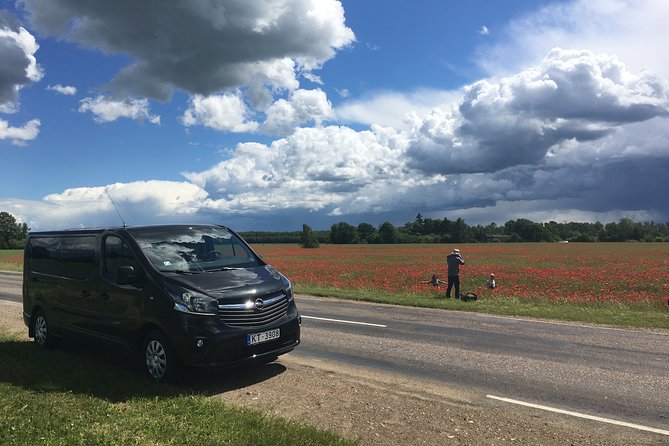
- The vehicle is private: The price covers up to three people, with air-conditioning, bottled water, parking, and no other group joining you.
- The route can be tailored: Ask in advance about detours such as the Hill of Crosses, which can be added if time and routing allow.
- Your driver helps shape the day: Lunch suggestions, timing advice, and guidance to the museum ticket office are part of the practical appeal.
- Budget for admission fees: Palace and castle entrance tickets are extra, so check current prices before departure.
Why this transfer makes sense between Riga and Vilnius
Riga and Vilnius are close enough to connect in one day, but a direct journey gives you little more than road time. This service offers a better use of the route by stopping in southern Latvia before continuing to Lithuania.
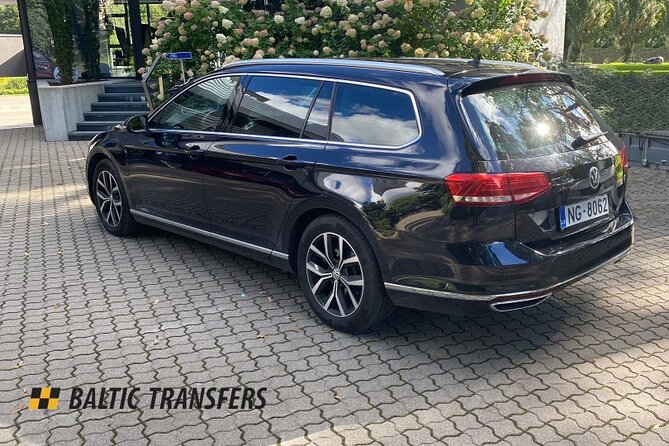
You are collected from your Riga hotel by an English-speaking driver and taken south toward Bauska. After the sightseeing stops, the same private vehicle continues to your accommodation in Vilnius. That arrangement matters. You do not need to find a station, carry luggage across town, or work out a second connection after visiting the sights.
The drive and visits take about seven to eight hours in total. That is a full day, but it is not an exhausting sightseeing marathon on paper. The schedule is designed around two principal stops, with time for lunch and optional additions if arranged ahead of time.
The experience is best understood as a private transfer with sightseeing, not as a conventional guided museum tour. Your driver leads you to the ticket office and provides local advice, but the supplied details do not promise a dedicated historian inside each building. If you want detailed indoor guiding, ask before booking.
Other Riga days to weigh up
- Riga: Canal Boat Sightseeing Tour With Audio guide
★ 4.5 · 1,827 reviews - Riga: Entrance Ticket – House of the Black Heads
★ 4.6 · 1,096 reviews - Riga: Guided Old Town Walking Tour
★ 4.8 · 1,049 reviews
The Riga pickup and private vehicle
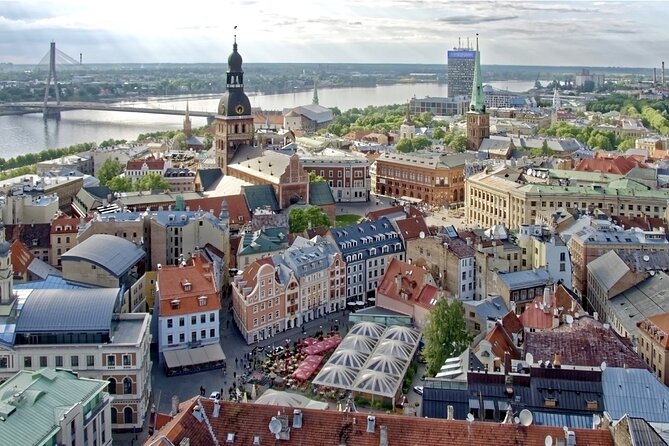
The day begins with hotel pickup in Riga. The English-speaking driver handles the road, parking, and transfer to Vilnius, leaving you free to enjoy the countryside and talk with a local person along the route.
The private format is especially useful for three people with luggage. The listed price is $459.81 per group of up to three, which works out to about $153.27 per person if you fill all three places. For one person, the same group price is much harder to justify, but for a couple or small family it compares more favorably with arranging separate transport, sightseeing, parking, and taxis.
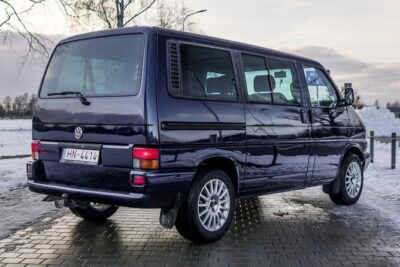
The vehicle is air-conditioned, and bottled water is included. One guest specifically praised the spacious minivan, while other comments highlight comfortable transport and safe driving. Vehicle size can vary, so do not treat one particular minivan as guaranteed, but the service is clearly set up for a comfortable private ride rather than a crowded shared coach.
Parking fees, taxes, and handling charges are included. That reduces the chance of small roadside costs appearing during the day. Museum admission is not included, so keep money available for the palace and castle.
The booking details say confirmation is received at the time of booking, and the experience is offered with a mobile ticket. Children must be accompanied by an adult, and a valid passport is required on the day. Service animals are allowed, and most people can participate.
One detail deserves attention before you pay: the information lists a 9:00 am start in Vilnius, while the main description says you are picked up in Riga and driven to Vilnius. Since the route clearly runs from Riga to Vilnius, contact the provider and confirm the exact pickup hotel, time, and destination. That small check can prevent a very large morning mistake.
Rundale Palace and Rastrelli’s grand design
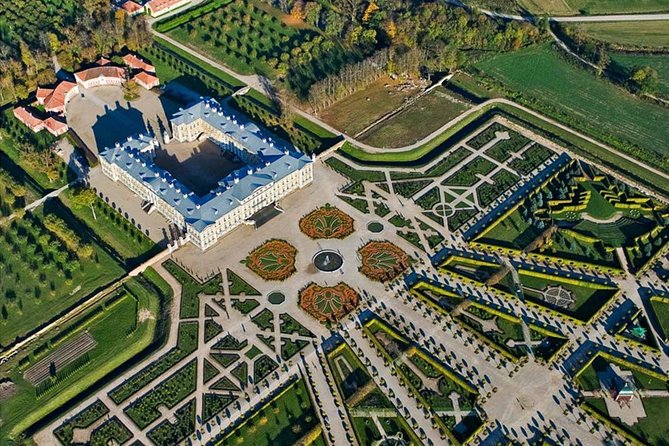
Rundale Palace is the strongest reason to choose this route. Set away from Latvia’s main cities, the palace rewards the extra road time with grand interiors, formal design, and a striking connection to the Russian imperial world.
The building was designed by Bartolomeo Rastrelli, the Italian architect associated with the Hermitage and Peterhof in Russia. Construction began in 1736 and continued until 1768. It served as the summer residence of Ernst Johann von Biron, Duke of Courland.
That background helps you read the building properly. Rundale was not simply a defensive castle. It was a statement of rank, built for court life, display, and seasonal retreat. The scale and decoration make more sense when you remember the duke wanted a residence that matched the grand courts of eighteenth-century Europe.
The palace later suffered a less glamorous fate. During the First World War, it was used by the German army as a garrison. In later years, the building served as a hospital, school, and grain store before becoming a museum in the 1970s.
Those changes give the visit extra weight. You are not seeing a palace preserved in perfect isolation. You are seeing a building that survived war, neglect, and practical reuse before being restored for the public.
Your driver will take you to the museum ticket office, but the supplied information does not specify how long you spend inside or whether your driver escorts you through the rooms. Ask about the expected visit length when you start the day. You want enough time to appreciate the palace without turning the later drive into a race.
Rundale is also the stop most likely to matter to visitors who enjoy architecture. Bauska is more rugged and military. Rundale offers a more polished experience, with the kind of formal grandeur that makes a long transfer feel worthwhile.
Bauska Castle, two fortresses in one stop
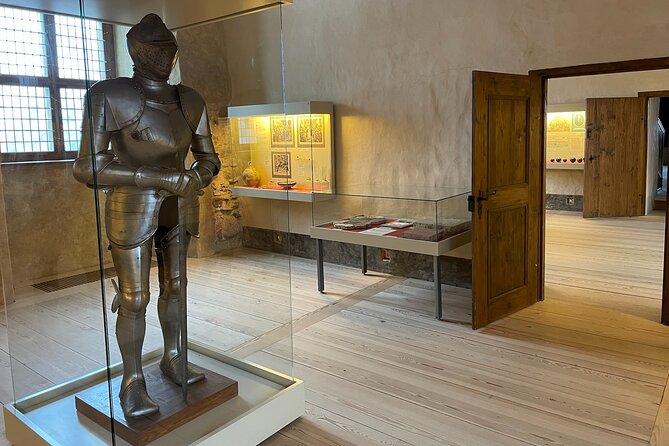
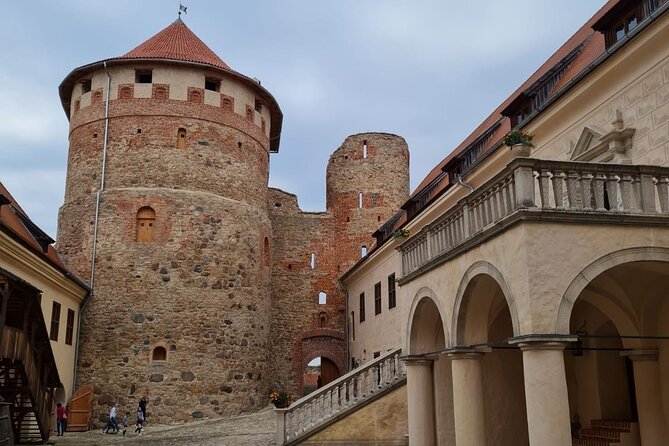
After Rundale, the route makes a short drive to Bauska Castle. The castle ensemble has two distinct sections, and understanding that split makes the visit much more rewarding.
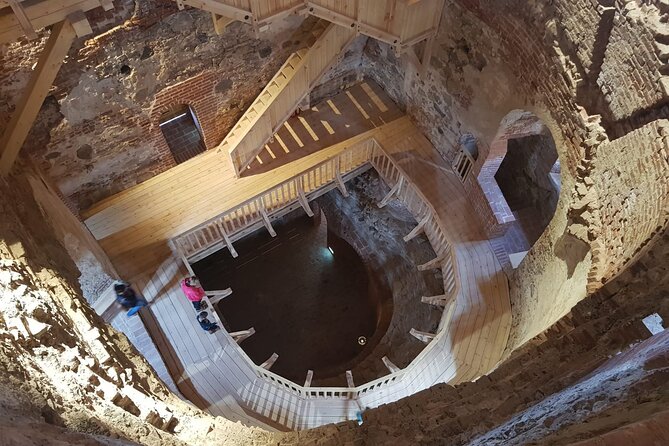
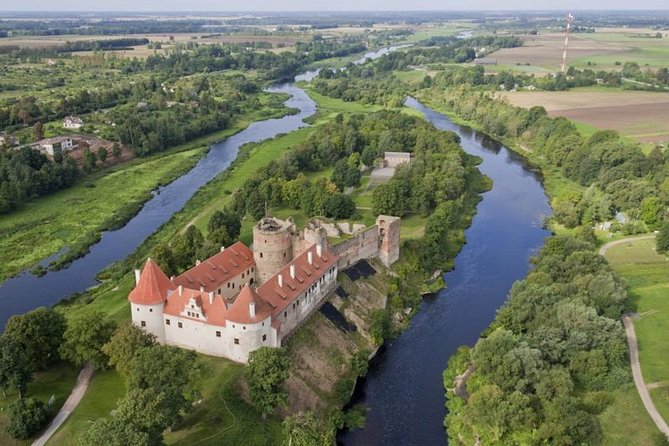
The oldest part is the Livonian Order Castle, built in the middle of the fifteenth century. Today, only ruins remain. Its thick defensive character reflects a period when firearms were changing fortress design and military builders needed to protect strategic positions.
The later section was built in the late sixteenth century as a residence for the Kettlers, the Dukes of Courland. It is more than a pile of ruins. This residence was protected by bastions, walls, and earthen ramparts, combining courtly use with serious defenses.
Reconstruction of the newer section began in the 1970s. The aim was to preserve and present the site as an important piece of Latvia’s historical, archaeological, and architectural heritage.
I like Bauska as a companion to Rundale because the two stops show very different sides of power. Rundale expresses wealth through decoration and ceremony. Bauska shows how rulers had to defend territory, control routes, and adapt to firearms.
The remains also make the visit less polished and more physical. You see the older fortress as ruins, while the newer residence has been brought back for tourism. Wear practical shoes if you plan to explore uneven areas, although the available information does not give specific accessibility details.
The castle visit is guided at least in the practical sense, since your driver takes you to the museum ticket office. Admission is extra. Ask whether you should purchase a combined or separate ticket for the sections you want to see, and confirm how much time is planned before leaving.
A different sort of day out of Riga altogether:
- From Riga: Hill of Crosses and Jelgava Gems Tour
★ 4.8 · 1,040 reviews - From Riga: Hill of Crosses & Jelgava Guided Tour
★ 4.9 · 685 reviews - Riga Package: Canal Boat Tour + Drink & Old Town Audio Guide
★ 4.3 · 659 reviews - Riga: Canal Boat Tour with Welcome Drink & Audio Guide
★ 4.5 · 565 reviews
Lunch, detours, and the Hill of Crosses
Lunch is not included, but your driver can recommend local restaurants. This is a useful part of the private format. You do not have to rely on a roadside chain or lose time searching for a place that fits the schedule.
Tell the driver early if you have dietary needs or a preferred lunch length. The available details do not identify a particular restaurant, so treat the recommendation as local guidance rather than a fixed meal reservation.
The route is flexible, but flexibility works best when you use it before the day begins. The provider asks you to mention detours in advance so the route can be adjusted. Depending on the location, an additional charge may apply.
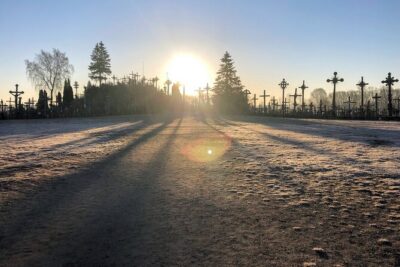
The Hill of Crosses is the key example. It is not automatically included in the basic route, but it can be added if requested ahead of time. One guest expected it to be part of the day and only later discovered that it was optional. The provider would have added it if asked in advance.
That is practical advice worth following: write down every stop you want before booking, especially if the Hill of Crosses is important to you. Do not assume that a flexible itinerary means every famous sight is already included.
Adding a detour may also reduce your time at Rundale or Bauska, depending on the route and traffic. Ask the driver to explain the trade-off rather than simply adding stops until the schedule becomes too tight.
Drivers who shape the experience
The driver matters here more than on a standard bus transfer. You are spending most of a day in the vehicle, and the quality of the conversation can turn road time into part of the trip.
Karlis has been praised for safe driving, interesting commentary, and reliable timing. One couple used him for an earlier transfer from Tallinn to Riga and then chose him again for the journey to Vilnius. That repeat booking says something useful: a trusted driver can make a multi-city Baltic trip feel easier to manage.
Artis was also praised for arriving early, allowing plenty of time at each stop, and adjusting breaks when needed. Aldis Rumba was singled out for explaining the Baltic countries well during the journey.
Driver assignments can change, so you should not book on the assumption that a particular person is guaranteed. Still, the service appears to place real value on punctuality, safe driving, and local conversation.
It is worth telling your driver what kind of day you want. You might prefer more time inside Rundale, a quick look at Bauska, a relaxed lunch, or an added religious and cultural site. Clear priorities help the driver protect the parts of the day you care about most.
The price, group size, and overall value
At $459.81 for up to three people, this is not the cheapest way to move between Riga and Vilnius. A bus or train may cost less if your only goal is reaching the next city.
The value improves when you count what is bundled in: private one-way transport, hotel pickup, air-conditioning, bottled water, parking, taxes, and an English-speaking driver. You also gain two substantial sightseeing stops without arranging separate taxis or storing luggage at a station.
For three people, the group price is easier to defend. For two, it remains reasonable if you value privacy and convenience. For a solo visitor, I would compare the cost with a direct public transport ticket and ask how much the included sightseeing is worth to you.
Tickets are the main extra expense. Rundale Palace and Bauska Castle admissions are not included, and an added detour may cost more. Ask for the current ticket and detour prices before the travel date so your budget is realistic.
The strongest value comes from using the service as a full day between cities. If you have already visited both sights, the premium over a direct transfer makes less sense. If this is your only chance to see southern Latvia, the stopovers give the journey real purpose.
Who should book this Riga to Vilnius route
I would recommend this transfer to couples, families, or small groups carrying luggage between Riga and Vilnius. It is also a good choice for people who dislike changing trains or buses and want a local driver to handle the route.
History and architecture fans will get the most from the day. Rundale appeals to anyone interested in Baroque design and aristocratic residences, while Bauska offers fortifications, ruins, and the later Courland ducal residence.
The service also suits visitors who want a flexible pace. You can request breaks, ask for lunch advice, and discuss a detour instead of following a rigid coach schedule.
I would think twice if you prefer a fast, inexpensive transfer or dislike spending seven to eight hours on the road. The day is built around sightseeing, not efficiency. It also may not suit someone seeking a fully guided museum experience with detailed commentary at every room and exhibit.
Free cancellation is available if you cancel at least 24 hours before the local start time. Changes or cancellations within 24 hours are not accepted for a refund, so confirm your plans before that deadline.
Should you book it?
Book this tour if you want to connect Riga and Vilnius while seeing two important Latvian sites, and if you value a private vehicle more than the lowest possible fare. Rundale Palace is the clear prize, while Bauska gives the day a useful military and architectural contrast.
Before booking, confirm the Riga pickup time, ask about the exact visit lengths, check museum admission prices, and request the Hill of Crosses or any other detour in advance. For up to three people, this is a comfortable and sensible way to turn intercity transport into a worthwhile Baltic sightseeing day.
FAQ
Where does the sightseeing transfer begin?
The main trip description says pickup is offered from your hotel in Riga. The additional meeting information lists Vilnius as the start point, so confirm the exact pickup details with Baltic Transfers and Tours before departure.
What time does the tour start?
The published start time is 9:00 am. Confirm the local pickup time with the provider because the meeting information contains conflicting location details.
How long does the experience take?
The full journey takes approximately seven to eight hours.
Where does the transfer finish?
The route continues to Vilnius city, where the driver takes you to your destination.
What sights are included?
The planned sightseeing stops are Rundale Palace and Bauska Castle.
Is the Hill of Crosses included?
It is not automatically included in the basic route. You can request it as a detour in advance, and an additional charge may apply depending on the location.
Are museum entrance tickets included?
No. Museum entrance tickets are not included in the tour price.
How many people can join the private tour?
The listed price covers one private group of up to three people.
What is included in the price?
The price includes one-way private transport, an English-speaking driver, an air-conditioned vehicle, bottled water, parking fees, taxes, and handling charges.
Can I cancel for a refund?
Yes. You can cancel at least 24 hours before the experience start time for a full refund. Cancellations or changes made less than 24 hours before the start are not accepted for a refund.
New on the site around Riga
- Vilnius Day Trip or Airport Transfer★ 5.0 · 2 reviews
- Wooden Riga on foot -Ķīpsala★ 5.0 · 2 reviews
- Ultimate Art Nouveau Experience in Riga – Private Tour★ 5.0 · 4 reviews
- The Best Of Riga Walking Tour★ 5.0 · 2 reviews
- Tour from Riga to Vilnius: Bauska Castle, Rundale Palace and The Hill of Crosses★ 5.0 · 3 reviews
- Private Transfer to anywhere in Riga Center★ 5.0 · 2 reviews
- Taste Riga – Private Tour of Latvian Flavour★ 5.0 · 5 reviews
- Neigbourhoods of Riga: Honest tour through most beautiful and most unusual areas★ 5.0 · 2 reviews
Private Drivers, compared.
Private Transfer from Hotel to Riga Airport with English speaking driver
Read our review →
Private Transfer From Riga Airport To Riga City Center
Read our review →
Browse the lists this tour appears in